Factories are getting smarter. AI in industrial automation is changing how things are made. It cuts errors, speeds up work, and saves money. Companies that ignore this tech risk falling behind. The good news? AI isn’t just for big firms, it’s helping factories of all sizes.
This article explains how AI boosts efficiency and output in manufacturing. You’ll see real-world examples of smart manufacturing AI at work. From predicting machine failures to optimizing supply chains, AI is revolutionizing industrial automation in ways that were once science fiction.
If you’re curious about the impact of AI on industrial automation, this guide is for you. We’ll break down key benefits, share success stories, and show why AI is a game-changer. Whether you run a plant or just want to stay updated, these insights will help. Let’s dive in.
What Drives AI in Industrial Automation?
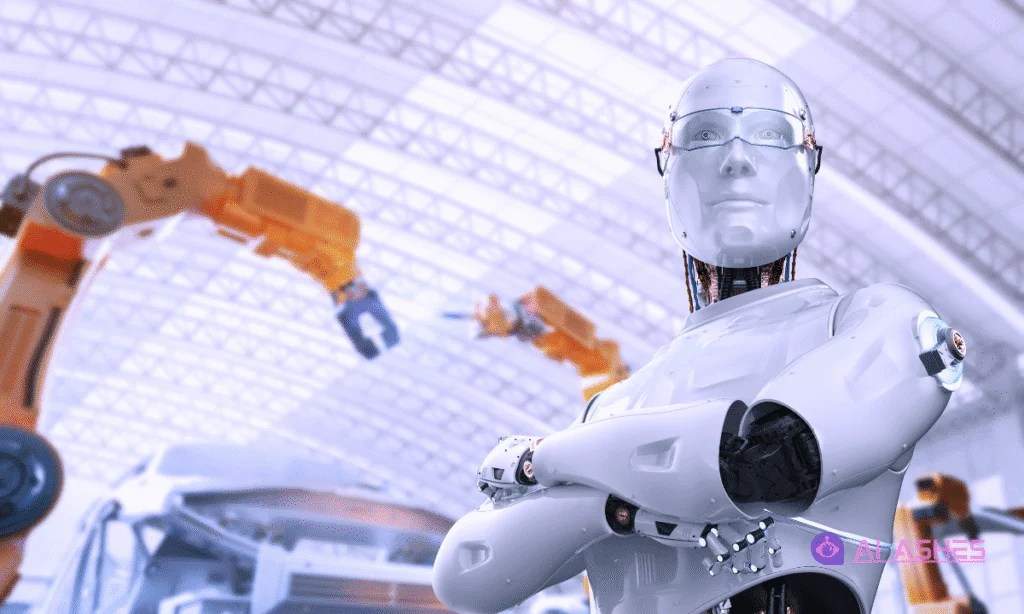
AI is powering the next industrial revolution. Known as Industry 4.0, this shift connects machines, data, and AI to create smarter factories. Industrial AI applications help machines learn, predict problems, and make decisions without human input.
Smart manufacturing AI uses sensors and real-time data to optimize production. For example, machine learning in industrial processes can detect defects faster than humans. It also helps reduce waste and downtime.
Another key tool is digital twin technology. It creates a virtual copy of a factory to test changes before applying them in real life. AI-driven factory automation makes production faster, safer, and more efficient.
In short, AI is not just a trend. It’s the backbone of modern manufacturing. Companies using it gain a huge edge over competitors still relying on old methods.
Predictive Maintenance: Cut Downtime, Save Costs
AI is transforming how factories maintain machines. Instead of waiting for equipment to break, predictive maintenance uses AI to spot problems before they happen. This saves time, money, and headaches.
Here’s how it works:
- Sensors collect real-time data from machines.
- Machine learning in industrial processes analyzes this data to detect early warning signs.
- The system alerts workers before a failure occurs, allowing repairs during planned downtime.
A great example is a paper mill in Finland that reduced unplanned downtime by 82% using AI. The system monitored equipment health and predicted failures weeks in advance. This saved millions in lost production.
AI-driven factory automation also helps in other ways:
- Reduces unnecessary maintenance costs by fixing only what’s needed.
- Extends machine life by preventing major breakdowns.
- Improves safety by avoiding sudden equipment failures.
According to a McKinsey report, AI in maintenance can cut costs by up to 30%. Another study by MarketsandMarkets predicts the AI manufacturing market will grow to $16.7 billion by 2027.
The bottom line? Factories using intelligent maintenance systems run smoother, last longer, and waste less. AI isn’t just fixing machines, it’s fixing the way we work.
Real-Time Process Optimization & Smart Factory Control
Factories today don’t just run, they learn. AI-driven factory automation is turning production lines into smart systems that adjust on the fly. This means less waste, faster output, and fewer mistakes.
Take a beverage bottling plant as an example. Before AI, overfilling was a common problem. Too much product meant lost profits. Too little meant unhappy customers. By using real-time monitoring and machine learning in industrial processes, the plant cut overfill by 42%. Sensors tracked each bottle, and AI adjusted the filling process instantly. The result? Perfect pours every time.
This kind of process optimization happens across industries. AI doesn’t just watch, it acts. If a machine slows down, AI speeds up another to keep pace. If temperatures shift, it tweaks settings to maintain quality. The system works 24/7, making tiny improvements humans might miss.
According to a PwC report, smart factories using AI see up to 20% higher efficiency. The World Economic Forum adds that AI could add $3.7 trillion to manufacturing by 2025.
The benefits go beyond speed. AI-driven factory automation also reduces energy use. It predicts the best times to run machines, cutting power costs. It even spots tiny defects before they become big problems.
In short, AI isn’t just helping factories, it’s redefining them. From bottling plants to car makers, real-time process optimization is the new normal. The factories of the future aren’t just automated. They’re intelligent.
AI-Powered Quality Control & Computer Vision
Mistakes cost money. In manufacturing, even tiny defects can lead to big losses. That’s why factories are turning to AI-powered quality control. These systems spot problems faster and more accurately than human eyes.
Computer vision is changing the game. Cameras scan products at high speed, while AI analyzes every detail. In semiconductors, where tiny flaws ruin entire chips, this tech boosts yields by up to 30%. The system catches cracks, misalignments, and other issues in milliseconds.
Vision-guided robots take it further. They don’t just see defects, they fix them. A robot arm might remove a faulty item from the line or adjust a part that’s out of place. This happens without stopping production.
The benefits are clear. Visual quality inspection never gets tired. It works 24/7 without losing focus. Defect detection happens in real time, so bad products don’t pile up. Workers can focus on complex tasks while AI handles the repetitive checks.
A single flaw can cost thousands. With AI, those mistakes disappear. Factories save money, keep customers happy, and protect their reputations. Quality control isn’t just better, it’s smarter.
Autonomous Robotics & Cobots in Industrial Settings
AI Robots Handling Materials
Factories are getting a major upgrade with autonomous robots. These smart machines move materials without human help. They use sensors and AI to navigate busy floors safely. No more collisions or delays.
A car factory might use them to deliver parts across the plant. The robots learn the best routes over time. They avoid obstacles and work 24/7. This cuts costs and speeds up production.
Collaborative Robots Working With Humans
Cobots (collaborative robots) are changing factory work too. Unlike big industrial robots, cobots work side by side with people. They handle dangerous or repetitive tasks.
For example, in packaging lines, cobots lift heavy boxes. Workers then do the finer work. This teamwork boosts efficiency while keeping people safe. No more back injuries from heavy lifting.
Why This Matters
Robotics automation makes factories:
- Faster (no breaks or slowdowns)
- Safer (fewer workplace accidents)
- More precise (perfect repeats every time)
A recent study showed factories using cobots saw 30% more output. Workers also reported less fatigue.
The future is clear. Between autonomous robots and collaborative robots, factories are becoming smarter. They work better while keeping people safe. That’s a win for everyone.
Supply Chain and Energy Optimization with AI
Smarter Supply Chains with AI
AI is changing how factories handle their supply chains. It looks at past sales and market data to predict what materials will be needed. This stops warehouses from being too full or running out of stock.
A shoe factory could use AI to guess which styles will sell best. The system orders the right amount of leather and laces before workers need them. This smart inventory control saves up to 30% on storage costs while keeping production moving.
Energy Savings Through AI
Factories now use AI to manage power better. Smart systems watch how much energy machines use. They make changes to waste less power without slowing down work.
A cereal factory might use AI to:
- Run big machines when electricity costs less
- Change heating based on outdoor temperatures
- Find equipment using extra power before it breaks
These smart moves can cut energy bills by 20%. They also help factories be greener by using less power.
The Big Picture
Using AI for both supply chains and energy makes factories work better. They have fewer delays, lower costs, and help the environment. One study showed factories using both made 18% more money. As AI gets smarter, these benefits will keep growing.
Workforce Empowerment: Human + AI Collaboration
AI Copilots for Factory Workers
AI is becoming the perfect helper for factory workers. New AI copilots can understand voice commands and answer questions in real time. Workers can ask about machine settings or safety steps without stopping work. Some systems even use generative AI to suggest better ways to complete tasks.
Smarter Training with AR and AI
Augmented Reality (AR) assistants are changing how workers learn. Instead of thick manuals, trainees use AR glasses that show 3D instructions over real equipment. AI watches their movements and gives instant feedback. This operator training method helps new workers learn faster while making fewer mistakes.
Explore real AI trainer roles helping build smarter factory teams to see how companies are combining AI tools with human support for better results.
AI in Machine Programming
Even complex jobs like PLC programming are getting AI help. Large Language Models (LLMs) can now understand and write basic machine code. Engineers describe what they need in simple words, and the AI suggests code snippets. This doesn’t replace programmers but helps them work faster with fewer errors.
The Future of Factory Work
These tools show how AI-driven factory automation actually creates better jobs. Workers spend less time on boring tasks and more on solving interesting problems. The best factories now pair human skills with AI smarts. Together, they achieve results neither could alone.
As machine learning in industrial processes improves, these tools will keep getting better. The goal isn’t to replace people, but to make their jobs easier and more valuable.
Dark Factories & Lights-Out Manufacturing
The Rise of Fully Autonomous Production
Some factories now run completely without human workers. These lights-out factories operate in the dark because no people need to be there. Xiaomi’s smartphone factory in Beijing is a great example. Their fully autonomous production line uses AI robots that work 24/7 without breaks.
How Dark Factories Work
These smart factories bring together different AI technologies to work without humans. AI-powered robots handle every step of production from start to finish. Self-driving carts automatically move materials where they’re needed. Machine vision systems check product quality with perfect accuracy.
Predictive maintenance keeps everything running smoothly by fixing problems before they happen. The Xiaomi factory shows how well this works. It can make a new phone every 28 seconds without stopping. The factory runs day and night with perfect consistency.
The Good and The Bad
Pros:
- Never stops working (24/7 production)
- Perfect quality (no human errors)
- Lower costs (no salaries or breaks)
Cons:
- Very expensive to build
- Can’t handle unexpected problems well
- Reduces factory jobs
What This Means for Workers
Lights-out manufacturing changes factory jobs in big ways. While it reduces traditional assembly line work, it creates new kinds of jobs too. Many workers are moving into roles like robot supervisors who watch over the machines.
Other new jobs include AI system trainers who teach the machines and maintenance specialists who keep everything working. The future will probably have both types of factories. Some will be completely dark with no workers. But most will keep humans and AI working together as a team.
Real-World Case Studies: How AI in Industrial Automation Delivers Results
Factories worldwide are using AI in industrial automation to cut costs, improve speed, and raise product quality. Here are two real examples that show how companies applied AI to solve problems and grow faster.
Case Study 1: Saving Big with Predictive Maintenance
Company: Valmet at a Finnish paper mill
Challenge: The mill faced costly machine breakdowns and frequent downtime.
Solution: With 6,500 sensors feeding real-time data, AI-powered predictive maintenance helped spot wear before it led to failure. AI in industrial automation used machine learning in industrial processes to predict issues.
Takeaway: This smart setup extended service intervals, cut breakdowns, and saved around €70,000 per machine per year. It shows how using industrial AI applications can prevent damage and protect output.
Case Study 2: Perfect Beer Bottles with AI Vision
Company: Heineken brewing facilities
Challenge: Maintaining quality and consistency in brewing and bottling was hard due to manual inspection limits.
Solution: Heineken introduced AI-powered computer vision and smart manufacturing AI to monitor fill levels, labels, and carbonation in real time.
Takeaway: Visual quality inspection accuracy jumped by 92%, defects fell by 35%, and batch rejects dropped by 20%. This shows how AI in industrial automation can boost product quality and output.
These case studies show the real-world power of AI in industrial automation. From industrial AI applications like predictive maintenance to smart vision systems, factories are becoming faster, smarter, and more reliable.
Future Outlook: What’s Next in Industrial AI
The next wave of factory AI is coming fast. New tools like generative AI are changing how we design products. Imagine typing “create a lighter car part” and getting perfect 3D models instantly. This isn’t science fiction – it’s happening now in advanced factories.
Big foundation models (like GPT for manufacturing) will soon understand entire factory operations. They’ll predict problems before they occur and suggest improvements. A German toolmaker already uses this tech to cut design time from weeks to hours.
Learn how different foundation models compare in our O1 Mini vs GPT‑4o report to better understand which AI tools power next-gen industrial automation.
The race between countries is heating up. China plans to convert 10,000 factories to smart manufacturing by 2025. The U.S. counters with huge investments in AI chips and robotics. Who wins? Factories that combine the best AI with skilled workers will come out ahead.
Smaller manufacturers aren’t left behind. Cloud-based AI makes these tools affordable for all. A Midwest auto supplier now uses AI that once only big car makers could afford. This levels the playing field in surprising ways.
The biggest change? AI won’t just improve factories – it’ll reinvent them. Future plants might redesign themselves overnight for new products. They’ll use less energy and make almost no waste. One thing’s certain: the factories of 2030 will look very different than today’s.
Workers should see this as help, not threat. The best jobs will go to those who can work with AI systems. Companies that train their teams now will have a big advantage later. The future belongs to factories where humans and AI boost each other’s strengths.
Conclusion
AI in industrial automation is not just something from the future, it’s happening right now. Many factories are already using smart machines to work faster and smarter. With AI, machines can find tiny mistakes that people might miss. It also helps save money by using less energy and fixing problems before they cause bigger issues.
These smart tools aren’t only for big companies. Smaller factories can use them too and stay in the game. From checking machines before they break to helping control how things are made, AI is making work easier and better.
If you’re running a factory or a workshop, this is the right time to try using AI. You can start with something small and grow from there. The sooner you start, the better your chances of staying ahead.
Want to learn more about how AI is helping people? Follow the AI Ashes Blog for easy tips, cool facts, and the newest ideas in machine learning and technology.
FAQs
What is AI in industrial automation?
It means using smart machines and sensors to help factories work faster and better. AI helps run machines, spot problems, and learn how to fix things without people needing to step in.
How does AI predict machine failures?
AI watches machines using special sensors. If it sees signs that something might break, it gives a warning. This helps fix things before they stop working, which saves time and money.
What is machine learning in industrial processes?
Machine learning is smart software that finds patterns in machine data. It helps factories make better products, fix problems fast, and change how things are done without needing a person to tell it what to do.
How does AI improve quality control?
AI looks closely at every item made, like a super scanner. If it sees even a tiny mistake, it lets workers know right away. This helps stop bad products from reaching customers.
What are digital twins in factories?
A digital twin is like a digital copy of a real machine or factory. Workers use it to test ideas and see what might happen before trying them on real machines. This saves time and helps avoid mistakes.
How can AI help with energy and inventory?
AI can choose the best times to use machines when electricity is cheaper. It also helps order the right parts at the right time. This saves money and keeps the factory from having too much or too little stock.
Will machines take people’s jobs?
Not really. AI helps people do safer and smarter work. It gives instructions or follows voice commands. New jobs are created too, like people who train robots or manage smart systems.
What are dark factories or lights-out manufacturing?
These are factories that work all the time without people. Robots do everything. These factories make high-quality products quickly, but they cost a lot to set up and need experts to run them.
What is the impact of AI on industrial automation and production efficiency?
AI helps factories run better. It speeds up work, finds problems early, and uses less material. This means more products, less waste, and safer work.
How is AI changing manufacturing today?
AI is changing how factories work. It does boring jobs, makes smart choices using data, and helps machines work on their own. From robots to smart planning, AI is making everything faster and better.